Monday, September 11, 2023

Why TCGs Are Impossible to Balance [VIDEO SUMMARY]

"Why TCGs Are Impossible to Balance," is published by Rempton Games. It delves into the complexities and challenges of balancing trading card games (TCGs), explaining why some cards might appear overpowered or underpowered and the various factors that contribute to this perceived imbalance. The speaker demonstrates a deep understanding of the intricacies of TCG design and the factors that make achieving perfect balance a near-impossible task.


The video begins by acknowledging a common frustration among TCG players: the perception that some cards are either "broken" or "terrible." The speaker explains that the challenge of achieving perfect balance in TCGs is primarily mathematical. TCG developers release hundreds of new cards each year, each with unique abilities that aren't directly comparable. The speaker uses the example of two common abilities: drawing cards and dealing damage. Balancing these abilities against each other is a matter of trial and error, playtesting, and experience. The speaker notes, "if you had some kind of magical computer that could spit out the perfect ratio between cards drawn and damage dealt, the odds of that ratio containing whole numbers is low."

The speaker also addresses the issue of card abilities and their competition with each other. If a game has too many cards that deal direct damage, players will have to decide which cards to keep and which to drop, creating a ceiling to the number of playable cards in a format. This ceiling tends to be around three to four hundred cards, based on the speaker's observation of various TCG tournaments.

The video also discusses the context-dependent value of cards. For instance, a card that may not be considered worthy in a constructed deck could be highly valuable in a limited pool of cards. The speaker uses the example of the Dark Magician card from Yu-Gi-Oh! to illustrate this point. While this card is often used in decks designed around it, it would be considered a poor choice in other contexts.

Another significant factor in card balance is the ever-changing nature of the game environment. The speaker explains that the power level of a card depends on its environment, which is in a constant state of flux due to the release of new cards and changes in player strategies. This makes the design process difficult, as every change can affect the power level of different cards.

The speaker acknowledges that while balance is a goal for designers, their primary aim is to make the game fun. Balance matters most to competitive players, or "spikes," who are concerned with winning and optimizing their decks. However, other players might enjoy cards for their potential combos, high stats, or cool effects, even if these cards aren't considered competitive.

The video concludes by suggesting ways to make TCGs more balanceable. These include having a flexible resource system, introducing "answer cards" to keep the power level of other cards in check, and being responsive to changes in the game and player base. The speaker emphasizes the importance of feedback, both from playtesters and the game's player community, in achieving and maintaining balance.

Saturday, September 9, 2023

Magic the Gathering's Secret Advantage - Multiplayer [VIDEO SUMMARY]

The video "Magic the Gathering's Secret Advantage - Multiplayer" is published by tcgAcademia. This video provides an in-depth analysis of why Magic the Gathering (MTG), despite being an older trading card game (TCG) with mechanics that can be seen as outdated, continues to outperform many newer, sleeker TCGs. The video's main argument is that MTG's multiplayer support offers a distinct advantage that has contributed significantly to its sustained success.


The video begins by acknowledging the perceived shortcomings of MTG, such as a slow combat system, a stingy card economy, and a resource system that can be frustratingly random. Despite these flaws, MTG continues to outsell its newer counterparts. The video discusses several reasons for this, including MTG's large, loyal player base and its traditional fantasy aesthetic, but it emphasizes MTG's multiplayer support as a key factor.

The video notes that many TCGs, influenced by the 1v1 competitive format popularized by games like Yu-Gi-Oh and reinforced by tournament structures, often overlook the appeal of multiplayer gameplay. It argues that MTG's ability to accommodate more than two players in a single game provides a significant advantage, particularly in casual settings. The video references the fact that the majority of MTG's sales come from casual players, who often play in groups, rather than from those heavily invested in organized play.

The video further argues that multiplayer gameplay acts as a "skill leveler." In a 1v1 game, a tournament-ready competitive deck often has an insurmountable advantage over a more casual deck. However, in a multiplayer setting, even the best decks struggle when facing multiple opposing decks simultaneously. This allows less invested players to compete with those who have invested heavily in their decks, enhancing the game's accessibility and appeal.

The video also discusses how MTG integrates multiplayer support into its game mechanics. It notes that a simple terminology change, such as allowing effects to target "an opponent" or "each opponent," can facilitate multiplayer gameplay. However, it also acknowledges that implementing multiplayer support involves more than just changes in terminology; the rules and pacing of the game must also be adjusted.

Interestingly, the video argues that some of MTG's perceived weaknesses in 1v1 play become strengths in multiplayer settings. For example, MTG's slower combat system and card economy can help manage the complexity of multiplayer games and even out the pacing of gameplay, making the game more enjoyable for all players involved.

The video concludes by suggesting that newer TCGs should consider the potential benefits of supporting multiplayer gameplay, even if doing so requires some design concessions. It suggests that the ability to appeal to a larger, more casual audience could be a worthwhile trade-off, particularly for new TCGs seeking to establish a supportive player base.

In essence, the video argues that MTG's multiplayer support, often overlooked in discussions about the game's success, is a significant factor in its sustained popularity. It suggests that this feature offers a unique advantage that could be emulated by other TCGs seeking to expand their player base and enhance their appeal.

Saturday, August 12, 2023

Do Resource Systems Slow Down Gameplay? | Game Design [VIDEO SUMMARY]

The video "Do Resource Systems Slow Down Gameplay? | Game Design" is created by Draw 5 Move 5, a platform that explores the mechanics behind popular games. The video, hosted by Gabe, an avid game enthusiast, examines the impact of resource systems on the pace of gameplay, using well-known card games like Magic: The Gathering and Yu-Gi-Oh! as case studies. Gabe's analysis draws on his extensive experience and insights from discussions with other gamers.


The video begins by explaining the concept of resource systems in games, likening them to fuel for abilities. These systems impose a cost, which is believed to slow down gameplay and maintain its pace. Gabe uses Magic: The Gathering as an example to illustrate how resource systems work. In this game, players use two types of cards: spells and lands. Spells, which impact the game, require mana to cast. Mana, in turn, is generated by lands. The pace of the game is influenced by the rate at which players can acquire and use lands to generate mana and cast spells.

Comparatively, Yu-Gi-Oh! operates differently. It lacks a mana system, and its main limitations are trap cards that must be set before activation, a limit to the number of monsters and spells due to board space, and a single normal or tribute summon per turn. Despite these differences, Gabe argues that the pace of Yu-Gi-Oh! isn't significantly faster than Magic: The Gathering. He cites examples of various Yu-Gi-Oh! decks that play at different speeds, some of which are quite slow-paced.

Gabe then delves into the impact of game formats on gameplay speed. Magic: The Gathering, for instance, has diverse formats with different rules and limitations that affect game length. The Commander format, a long-form, multiplayer format, can take significantly longer than others. However, when comparing similar formats in both games, Gabe notes that the average game lengths are quite comparable.

The video further explores how players in both games strive to maximize their gameplay speed. In Magic: The Gathering, players aim to play low-cost spells and cheat out cards as soon as possible to achieve their win condition. Similarly, Yu-Gi-Oh! players try to put as much on the board as early as possible. Gabe emphasizes that players in both games will do everything in their power to circumvent any mechanics that slow down the game.

Gabe also discusses the resource systems in video games using Chrono Trigger as an example. Characters in this game have special abilities called "techs" that cost a certain amount of MP (Magic Points) to use. However, players often find ways around this cost system, such as using items to cut tech costs or boost stats, which doesn't necessarily speed up or slow down the game.

The video concludes by challenging the assumption that resource systems inherently slow down gameplay. Gabe argues that these systems do not significantly affect the speed of gameplay in a meaningful way. Instead, they increase the challenge by making resources scarce at crucial times. He emphasizes that the presence of a resource system is less about pacing and more about adding depth and complexity to gameplay.

Throughout the video, Gabe encourages viewers to rethink their assumptions about resource systems and gameplay speed. He invites further discussion on the topic, encouraging viewers to share their thoughts and experiences in the comments. Gabe's analysis provides a nuanced perspective on game design, highlighting the multifaceted roles of resource systems in shaping gameplay experiences.

Theory 302 - Essential Elements of TCG Design - Life [VIDEO SUMMARY]

The video, titled "Theory 302 - Essential Elements of TCG Design - Life" is produced by tcgAcademia. It explores the crucial elements in the design of trading card games (TCGs), with a particular focus on the role of life or score systems. The video shares insights about the importance of these systems in the context of game design.


The speaker begins by acknowledging the common interest many TCG players have in designing their own games. They note that while many of these attempts may not progress beyond initial stages, the process can provide valuable insight into the complexities of TCG design. The presenter then moves on to outline five key elements they have identified as essential to TCG design, with this video focusing specifically on the life or score system.

The life or score system is described as an incremental measurement of progression towards the end goal of the game. This could be a number that either increases or decreases, or a set of objectives to be achieved. The presenter highlights the importance of this system by imagining games without it. They use the example of poker without the betting aspect, stating that it would lack strategic depth and excitement. This leads to the conclusion that life systems are vital for TCGs.

Life systems serve several functions in TCGs. Firstly, they provide a clear answer to one of the first questions a new player will ask: "How do I win this game?" The presenter uses examples from popular TCGs such as Netrunner, Magic: The Gathering, and Pokemon to illustrate this point. In each of these games, the life or score system provides a simple and understandable measure of progress for new players.

For more experienced players, life totals are seen not just as a measure of victory, but also as a buffer that allows them to postpone defensive plays. The presenter uses the example of control decks and ramp decks in Magic: The Gathering, which utilize their life total to buy time and build resources. Without a life system, the presenter argues, all decks would be forced to play defensively from the start, limiting the variety of strategies and playable cards in the game.

The presenter also emphasizes the importance of life systems in opening up design space within the game. TCGs require a constant influx of new card designs, and life systems provide an avenue for this. They increase player survivability and lengthen the duration of the game, which in turn adds more potential turning points and clearly defines the early, middle, and late stages of the game.

In conclusion, the video argues that life or score systems are essential to TCG design. They provide a clear objective for new players, offer strategic depth for experienced players, and open up design space for game developers. The presenter suggests that without these systems, TCGs would lack variety, strategic depth, and longevity.

TCG Theory - The 1-Cost Problem [VIDEO SUMMARY]

"TCG Theory - The 1-Cost Problem" is a video produced by tcgAcademia, exploring a pervasive issue in the realm of trading card game (TCG) design. The video focuses on the concept of resource systems and the inherent challenges they present, particularly the so-called "1-Cost Problem." The video delves into the mechanics of various games, highlighting the implications of the 1-Cost Problem and potential solutions adopted by different game designers.


The video begins by discussing renewable resource systems, which have been integral to TCG design since the inception of the genre. The speaker uses Magic: The Gathering as a prime example, where land cards are used as resources that increase linearly over time. However, this system has been criticized due to the potential for resource imbalances, leading to either an excess (mana flood) or scarcity (mana screw) of resources. This issue, the speaker argues, can end games prematurely due to poor player luck rather than strategic play.

The video then explores attempts to rectify this flaw, particularly in Dual Masters. The game's resource system is similar to Magic: The Gathering, but it allows any card to be used as a resource, thus mitigating the luck-based elements of resource development. Other games, such as ZX and Build Divide, have adopted similar systems, indicating a shift in TCG design philosophy.

However, the speaker notes that these solutions may mask a deeper problem: the 1-Cost Problem. This issue arises in linear renewable resource systems, where 1-mana cards can be particularly potent. In Magic: The Gathering's standard formats, the impact of this problem may be less apparent as most 1-cost cards are minor defensive cards. However, in the modern format, the prevalence of 1-cost cards in top decks is much more noticeable, indicating the potential power of low-cost cards.

The speaker explains the 1-Cost Problem in more detail, stating that the jump from a cost of 1 to 2 is a doubling of the cost, making high-cost cards rarely as effective or versatile as their low-cost counterparts. This problem is illustrated with the "dies to doom blade" argument, where a high-cost creature can still be eliminated by a single removal spell, diminishing its value.

To manage this issue, games like Dual Masters and Magic: The Gathering limit the number of 1-cost cards printed. By shifting the baseline cost from 1 to 2, the efficiency drop-off as you move up the cost curve is halved. This strategy is taken a step further in ZX and Build Divide, where the game starts with two resources in play, shifting the baseline cost for a turn 1 play to 3, thereby reducing the efficiency drop-off even further.

The speaker also discusses the impact of the 1-Cost Problem in games with consumable resource systems, such as Vanguard Lacrosse. In these games, costs tend to have a narrower range, which helps mitigate the issue. However, this can limit the design space, necessitating other rule systems to manage the problem, such as level systems in Vanguard Lacrosse.

In conclusion, the speaker emphasizes that the 1-Cost Problem is a critical consideration in TCG development. If unchecked, the pressure from 1-cost cards can drive power creep within the game, eventually invalidating other costs and limiting the effectiveness of the resource system. Therefore, game developers must actively manage this issue to maintain balance and strategic depth in their games.

Tuesday, August 8, 2023

The Advantages and Disadvantages of the TCG Genre - Featuring Legacy's Allure [VIDEO SUMMARY]

The video titled "The Advantages and Disadvantages of the TCG Genre - Featuring Legacy's Allure" is published by tcgAcademia. It delves into the complexities of the trading card game (TCG) genre, highlighting both the strengths and weaknesses of the model. The video uses Legacy's Allure, a card game that recently wrapped up its Kickstarter, as a case study to illustrate these points.


The creator begins by defining a TCG, which is a game that offers semi-random access to cards primarily distributed through booster packs. Each booster pack contains an assortment of cards from a specific expansion at varying rarities. This distribution model leads to players having different card pools to build their decks, which eventually encourages trading among players. The first game to build around this model was Magic: The Gathering, and many games have since followed suit.

However, the creator points out that there are significant disadvantages to the TCG model. One of the main drawbacks is the conflict of interest between the consumer and the publisher. Consumers generally want to create a competitively viable deck and maintain it with minimal upkeep and occasional upgrades, while publishers prefer constant upgrades. To manage this disconnect, TCGs often resort to format rotation or power creep. Both methods ensure constant player buy-in, but they also make the game significantly expensive for players.

Another challenge with the TCG model is the need for a certain minimum size for each set to preserve the ratio of common to rare cards. This requirement leads to high upfront costs for the publisher, which in turn necessitates a high volume of sales to sustain the game. Consequently, most TCGs release four to six main line expansions per year to maintain player interest and investment.

The video also discusses the difficulty of balancing TCGs due to the regular release schedule, massive pre-existing card pool, and extensive deck customization options. The pressure to create high rarity cards that feel rare further complicates the balancing act. Despite these challenges, the creator acknowledges that moving away from TCG distribution can offer better balance and less cost to both the publisher and the player.

Using Legacy's Allure as an example, the creator demonstrates how a game can benefit from a non-random distribution of cards. This model reduces the amount of money players need to invest and allows more design freedom for the game. The creator also mentions that this model could allow for the release of fewer new cards or a more relaxed schedule.

Despite its disadvantages, the TCG model has several advantages. The depth of different card designs and the regular release schedule offer players a vast range of strategies and individual cards to choose from. This variety allows expressive players to demonstrate their personality through their card choices and competitive players to optimize their deck's power and performance.

Another advantage of TCGs is the sense of ownership players feel towards their decks and collections. This emotional connection is crucial for building player investment in the game. Moreover, the financial investment required by TCGs encourages game stores to provide ongoing support for the game, such as play space and dedicated game nights.

Finally, the creator points out that the TCG model forces designers to continually create new archetypes and strategies, leading to the exploration of previously unconsidered design space. This exploration can result in better refinement of the initial game concept.

In conclusion, the creator encourages game designers to carefully consider their gameplay goals and whether the TCG model is the best way to achieve them. While TCGs offer a lot of freedom, they also have limitations, and sometimes it might be easier to realize game design goals outside of a TCG framework.

Sunday, August 6, 2023

Why Digital Card Games Suck [VIDEO SUMMARY]

The video, "Why Digital Card Games Suck," is produced by Majin Obama, a content creator known for his insightful commentary on gaming. The video delves into the distinctions between physical and digital card games, exploring the reasons why the creator finds physical card games more enjoyable despite the conveniences offered by digital versions. It's a thoughtful exploration of the subject, drawing on Majin Obama's extensive experience with both formats.


Majin Obama begins by sharing his recent return to physical card games, specifically the Digimon TCG, which triggered his reflections on why he finds them more satisfying than digital counterparts. He acknowledges the superior presentation of digital card games, with their animations, sound effects, and audio clips that bring cards to life. However, he admits a bias towards the tactile satisfaction of physical cards and the pleasure of displaying a collection.

The video discusses the practicality of digital card games, where rule changes, added mechanics, or clarifications can be rolled out via simple patches. This contrasts with the complexities of physical card games where changes require reprinting. Digital games also offer potential for more intricate effects that would be impractical in real life. However, the cost of physical product is a downside, creating a higher barrier to entry compared to digital games, which are often cheaper and sometimes free to play.

Majin Obama highlights the accessibility of digital games, with their convenient matchmaking systems and quick card sorting and deck maintenance features. The ability to play with anyone, anywhere, at any time is a significant advantage over physical card games, which require physical presence and often involve travel. However, he notes that this convenience leads to a broader pool of players, which can impact the development of counterplay and strategies.

The video explores how digital card games excel at teaching players the rules through interactive tutorials, eliminating the need for rulings and judge calls. However, he points out that this can limit creativity, as players are bound by the developer's rules and can't create their own game types. This contrasts with physical card games, where players can easily agree on custom rules.

The social aspect of card games is a major point of discussion. Majin Obama acknowledges the growth of digital card game communities through platforms like Discord and streaming services. However, he believes that digital games can feel impersonal compared to physical ones, despite the community-building potential of these platforms. He recalls his experience at a Shadowverse competition, noting the lack of interaction between players who were physically present but focused on their screens.

Majin Obama emphasizes the importance of verbal and non-verbal cues in physical card games, such as expressions, voice intonation, and hand gestures. These add depth to the game and influence strategy. He admits that digital games have their own ways of bluffing and taunting, but argues that the focus is purely on gameplay and card interactions rather than person-to-person interactions.

Reflecting on his experience with the Digimon TCG, Majin Obama attributes his enjoyment to the game's artwork, unique mechanics, and the social interactions it facilitates. He concludes by inviting viewers to share their thoughts on the topic, asking which format they prefer and why.

In summary, "Why Digital Card Games Suck" is an insightful exploration of the differences between physical and digital card games. While acknowledging the advantages of digital games, Majin Obama ultimately champions the tactile satisfaction, social interactions, and creative freedom offered by physical card games.

Designing Trading Card Games: A Comprehensive Guide

Foundational Elements of Trading Card Games
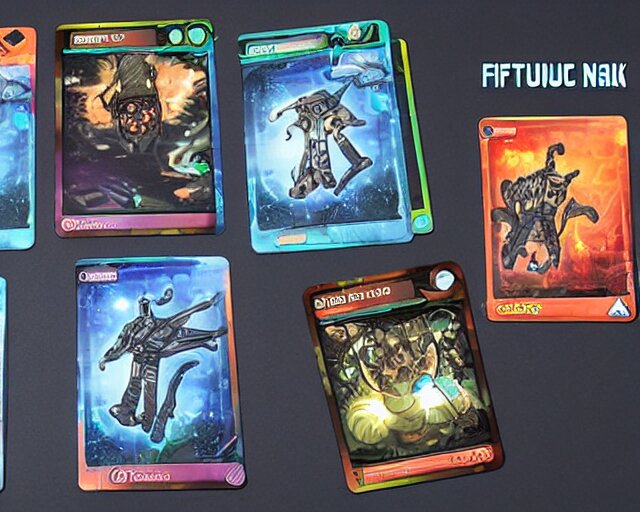
{ "title": "Foundational Elements of Trading Card Games", "content": "Trading Card Games (TCGs) have been a staple in the gaming industry for decades, offering a unique blend of strategy, collectibility, and immersive storytelling. The creation of a TCG involves a careful balance of various elements, each contributing to the overall game experience. This section will delve into the foundational elements of TCGs, exploring the basic components that make up a game, including the deck, the battlefield, and the game mechanics. Additionally, we will discuss the significance of theme and lore in TCGs, and how they contribute to the immersive nature of these games.", "subsections": [ { "title": "Components of TCGs", "content": "A brief overview of the primary components of a TCG, including the deck, the battlefield, and the game mechanics." }, { "title": "Theme and Lore", "content": "An exploration of the role of theme and lore in TCGs, and how they contribute to the overall game experience." } ] }

Components of TCGs

{ "title": "Components of TCGs", "content": "Trading card games (TCGs), also known as collectible card games, are a unique form of entertainment that combines strategic gameplay with the thrill of collecting. Designing a TCG involves a deep understanding of game mechanics, player psychology, and market trends. This section will delve into the primary components of a TCG, including the deck, the battlefield, and the game mechanics.", "subsections": [ { "title": "The Deck", "content": "The deck is the heart of any TCG. It is a collection of cards that a player uses to play the game. Each card in the deck has a specific role to play, and the combination of cards can create a wide variety of strategies and tactics. Designing the deck involves not only creating individual cards but also considering how those cards interact with each other. The balance between different types of cards (such as creatures, spells, and resources) is crucial to creating a game that is fun and engaging." }, { "title": "The Battlefield", "content": "The battlefield is the space where the game takes place. It is where players deploy their cards and execute their strategies. The design of the battlefield can greatly influence the dynamics of the game. For example, a battlefield with limited space can create a sense of tension and competition, while a more expansive battlefield can allow for more complex strategies and longer games. The layout and rules of the battlefield are also important factors to consider." }, { "title": "Game Mechanics", "content": "Game mechanics are the rules and systems that govern how the game is played. They determine how players use their cards, interact with the battlefield, and achieve their objectives. Designing the game mechanics involves a careful balance of complexity and accessibility. Too simple, and the game might lack depth and replayability. Too complex, and it might be difficult for new players to learn and enjoy. The key is to create mechanics that are easy to understand but hard to master." } ] }

Theme and Lore

{ "title": "Theme and Lore", "content": "In the world of Trading Card Games (TCGs), theme and lore play a significant role in shaping the game's identity and player experience. They provide the backdrop against which the game unfolds, adding depth and richness to the gameplay. The theme often dictates the design of the cards, the mechanics, and even the rules of the game. For instance, a TCG set in a fantasy world might feature creatures like dragons and wizards, and mechanics that involve magic and spells. On the other hand, a TCG with a sci-fi theme might include alien species, futuristic technologies, and mechanics based on space exploration or interstellar combat. The theme is not just about aesthetics; it can also influence the strategic depth and complexity of the game. For example, a TCG with a war theme might have mechanics that emphasize strategic planning and resource management, reflecting the tactical nature of warfare.", "subsections": [ { "title": "Importance of Lore", "content": "Lore, on the other hand, is the narrative that underpins the game. It provides context and meaning to the game's elements, making the game more immersive and engaging. The lore can be conveyed through the game's artwork, card descriptions, and supplemental materials like guidebooks or companion novels. A well-crafted lore can make players feel like they are part of a larger story, adding an extra layer of enjoyment to the game. For instance, the lore of Magic: The Gathering, one of the most popular TCGs, has been developed over decades and spans multiple planes of existence, each with its own unique history, cultures, and conflicts. This rich lore has captivated players, adding depth to the game and fostering a passionate community of fans." }, { "title": "Balancing Theme and Mechanics", "content": "While theme and lore are important, it's crucial to balance them with the game mechanics. A game with a fascinating theme but poorly designed mechanics might attract players initially, but it won't hold their interest in the long run. Conversely, a game with solid mechanics but a bland or inconsistent theme might struggle to stand out in the crowded TCG market. Therefore, when designing a TCG, it's essential to integrate the theme, lore, and mechanics seamlessly, creating a cohesive and engaging game experience." } ] }

Balance and Diversity in Card Design
{ "title": "Designing Trading Card Games: A Comprehensive Guide", "topic": "Designing Trading card games", "summary": "This article provides an in-depth look into the design process of trading card games (TCGs). It covers foundational elements such as the components of a TCG and the role of theme and lore. The article also delves into the importance of balance and diversity in card design, discussing the need for a variety of card types, abilities, and costs to keep gameplay interesting and competitive.", "content": [ { "title": "Foundational Elements of Trading Card Games", "content": "This section introduces the basic components of TCGs, including the deck, the battlefield, and the mechanics of gameplay. It also discusses the importance of theme and lore in creating an immersive game experience.", "subsections": [ { "title": "Components of TCGs", "content": "A brief overview of the primary components of a TCG, including the deck, the battlefield, and the game mechanics." }, { "title": "Theme and Lore", "content": "An exploration of the role of theme and lore in TCGs, and how they contribute to the overall game experience." } ] }, { "title": "Balance and Diversity in Card Design", "content": "This section delves into the importance of balance and diversity in card design, discussing the need for a variety of card types, abilities, and costs to keep gameplay interesting and competitive.", "subsections": [ { "title": "Card Types, Abilities, and Costs", "content": "A discussion on the need for a variety of card types, abilities, and costs in TCGs." }, { "title": "Maintaining Game Balance", "content": "An exploration of how to maintain balance in TCGs, considering factors such as card power levels, resource management, and player strategy." } ] } ] }

Card Types, Abilities, and Costs

{ "title": "Card Types, Abilities, and Costs", "content": "One of the most important aspects of designing a trading card game (TCG) is creating a diverse array of card types, abilities, and costs. This diversity is crucial for maintaining balance in the game and keeping players engaged.

Card types can include creatures, spells, artifacts, or any other categories that fit within your game's theme. These different types of cards allow for a wide range of strategies and play styles. For example, in Magic: The Gathering, players can build a deck focused on aggressive creatures, controlling spells, or a combination of both.

Abilities, on the other hand, add depth to the game by giving cards unique effects. These can be as simple as dealing damage or as complex as manipulating the game's rules. The key is to ensure that these abilities are balanced and don't overpower the game. For instance, Hearthstone balances powerful abilities by attaching them to cards with high mana costs or specific conditions.

Speaking of costs, they are a crucial component in TCGs. Costs, usually in the form of resources that players must spend to play cards, ensure that powerful cards can't be played too early in the game. This creates a natural progression in the game and forces players to make strategic decisions about when to play their cards.

In conclusion, a variety of card types, abilities, and costs is necessary for a balanced and engaging TCG. However, designers must carefully consider how these elements interact to ensure that no single strategy becomes too dominant.", "subsections": [] }

Maintaining Game Balance

{ "title": "Maintaining Game Balance", "content": [ { "content": "When designing a trading card game (TCG), maintaining game balance is a critical aspect to consider. An unbalanced game can lead to a frustrating experience for players, as they may feel that their choices and strategies have little impact on the game's outcome. Therefore, it's crucial to ensure that no single card or strategy is overwhelmingly powerful, rendering all others irrelevant. This involves careful consideration of card power levels, resource management, and player strategy.", "subsections": [ { "title": "Card Power Levels", "content": "The power level of cards in a TCG is a major factor in game balance. Powerful cards can provide exciting moments in a game, but if they're too strong or too easy to use, they can overshadow other cards and strategies. It's important to balance the power level of cards with their cost, ensuring that more powerful cards require a greater investment of resources." }, { "title": "Resource Management", "content": "Resource management is another key element to consider when maintaining game balance. Resources, whether they're represented by cards, tokens, or some other means, are what players use to play their cards and execute their strategies. If resources are too plentiful or too scarce, it can disrupt the balance of the game. Too many resources can lead to a game where every turn is filled with powerful plays, leaving little room for strategy. On the other hand, too few resources can lead to a game where players are frequently unable to do anything meaningful on their turn." }, { "title": "Player Strategy", "content": "Finally, player strategy plays a significant role in maintaining game balance. A well-designed TCG will offer multiple viable strategies for players to explore. This not only keeps the game interesting and replayable, but also helps prevent any one strategy from dominating the game. To achieve this, it's important to design cards and mechanics that support a variety of strategies, and to regularly playtest the game to ensure that no single strategy is consistently superior." } ] } ] }

The Role of Randomness
{ "title": "Foundational Elements of Trading Card Games", "topic": "Designing Trading card games", "summary": "This section introduces the basic components of TCGs, including the deck, the battlefield, and the mechanics of gameplay. It also discusses the importance of theme and lore in creating an immersive game experience.", "content": [ { "title": "Introduction", "content": "Trading Card Games (TCGs) are a popular genre of games that offer a unique blend of strategy, chance, and competition. Designing a TCG involves a deep understanding of game mechanics, player psychology, and the art of balance. This section will introduce the foundational elements of TCGs, from the physical components of the game to the themes and lore that bring the game world to life." }, { "title": "Components of TCGs", "content": "The primary components of a TCG include the deck, the battlefield, and the game mechanics. The deck is the collection of cards that a player uses in the game. The battlefield is the play area where the game takes place, often represented by a game board or mat. The game mechanics are the rules and procedures that govern how the game is played. Understanding these components is essential for designing a TCG that is engaging and fun to play." }, { "title": "Theme and Lore", "content": "The theme and lore of a TCG are key elements that contribute to the overall game experience. The theme is the overarching concept or idea that the game is based on, while the lore is the backstory or narrative that gives context to the game world. A well-developed theme and lore can enhance player immersion and engagement, making the game more enjoyable and memorable." } ] }

Impact on Gameplay and Strategy

{ "title": "Impact on Gameplay and Strategy", "content": [ { "content": "Randomness in Trading Card Games (TCGs) can significantly impact gameplay and player strategy. It introduces an element of unpredictability that players must adapt to, making each game unique and challenging. The random draw of cards from a deck means that players cannot rely solely on pre-planned strategies. Instead, they must think on their feet and make the best use of the cards they draw each turn.", "subsections": [ { "title": "Adapting to Randomness", "content": "Adapting to randomness is a crucial skill in TCGs. Players must learn to make strategic decisions based on the cards they have at any given moment, rather than sticking rigidly to a pre-determined plan. This requires a deep understanding of the game's mechanics and a flexible approach to strategy." }, { "title": "Randomness and Skill", "content": "While randomness can make TCGs more exciting and unpredictable, it's important to ensure that skill remains a key factor in determining the outcome of a game. A game that is too dependent on luck can frustrate players and make the game feel unfair. Balancing randomness with skill-based elements is therefore a key aspect of TCG design." } ] } ] }

Balancing Luck and Skill

{ "title": "Balancing Luck and Skill", "content": [ { "title": "The Role of Randomness in TCGs", "content": "The role of randomness in Trading Card Games (TCGs) is a hotly debated topic. Some argue that it adds an exciting element of unpredictability, while others feel it can detract from the skill and strategy involved in gameplay. Regardless of personal opinion, it's undeniable that randomness plays a significant role in TCGs, from the shuffle of the deck to the draw of the cards.", "subsections": [ { "title": "The Impact of Randomness on Gameplay", "content": "Randomness can have a significant impact on gameplay in TCGs. For example, a player might draw a powerful card early in the game, giving them a significant advantage. Conversely, a player might draw a series of weak cards, putting them at a disadvantage. This unpredictability can make games more exciting and varied, but it can also lead to frustration if a player feels they lost due to bad luck rather than poor strategy." }, { "title": "Balancing Luck and Skill", "content": "Balancing the elements of luck and skill in TCG design is a delicate task. On one hand, a game that relies too heavily on luck can feel unfair and unfulfilling, as players may feel that their decisions and strategies don't significantly impact the outcome of the game. On the other hand, a game that relies too heavily on skill can be intimidating for new players and may lack the excitement and unpredictability that comes with an element of chance. Striking the right balance is crucial for creating a TCG that is both fun and engaging." } ] } ] }

Playtesting and Iteration
{ "title": "Designing Trading Card Games", "topic": "Designing Trading card games", "summary": "This article provides a comprehensive guide on designing trading card games (TCGs). It covers the foundational elements of TCGs, including the deck, the battlefield, game mechanics, theme, and lore. It delves into the importance of balance and diversity in card design, discussing various card types, abilities, and costs, as well as how to maintain game balance. The role of randomness in TCGs is explored, with a focus on its impact on gameplay and player strategy, and the balance between luck and skill. Lastly, the article emphasizes the importance of playtesting and iteration in TCG design, discussing how to gather feedback, make adjustments, and refine the game over time.", "content": [ { "title": "Foundational Elements of Trading Card Games", "content": "This section introduces the basic components of TCGs, including the deck, the battlefield, and the mechanics of gameplay. It also discusses the importance of theme and lore in creating an immersive game experience.", "subsections": [ { "title": "Components of TCGs", "content": "A brief overview of the primary components of a TCG, including the deck, the battlefield, and the game mechanics." }, { "title": "Theme and Lore", "content": "An exploration of the role of theme and lore in TCGs, and how they contribute to the overall game experience." } ] }, { "title": "Balance and Diversity in Card Design", "content": "This section delves into the importance of balance and diversity in card design, discussing the need for a variety of card types, abilities, and costs to keep gameplay interesting and competitive.", "subsections": [ { "title": "Card Types, Abilities, and Costs", "content": "A discussion on the need for a variety of card types, abilities, and costs in TCGs." }, { "title": "Maintaining Game Balance", "content": "An exploration of how to maintain balance in TCGs, considering factors such as card power levels, resource management, and player strategy." } ] }, { "title": "The Role of Randomness", "content": "This section explores the role of randomness in TCGs, discussing its impact on gameplay and player strategy, as well as the delicate balance between luck and skill in game design.", "subsections": [ { "title": "Impact on Gameplay and Strategy", "content": "A discussion on how randomness affects gameplay and player strategy in TCGs." }, { "title": "Balancing Luck and Skill", "content": "An exploration of the balance between luck and skill in TCG design, and how to ensure that both elements contribute to a satisfying game experience." } ] }, { "title": "Playtesting and Iteration", "content": "This section emphasizes the importance of playtesting and iteration in TCG design, discussing how to gather feedback, make adjustments, and refine the game over time.", "subsections": [ { "title": "The Importance of Playtesting", "content": "A discussion on the crucial role of playtesting in TCG design." }, { "title": "Iterating and Refining", "content": "An exploration of how to use feedback from playtesting to make adjustments and refine the game over time." } ] } ] }

The Importance of Playtesting

{ "title": "The Importance of Playtesting", "content": "Playtesting is an essential part of the design process for any game, but it's particularly crucial for trading card games (TCGs). The complex interactions between cards, the balance of power among different decks, and the overall flow of gameplay can all be fine-tuned through playtesting. It's during these sessions that designers can observe how their game is played in the real world, identify any issues or imbalances, and make necessary adjustments.

Playtesting can take many forms, from informal sessions with friends to organized events with experienced players. Regardless of the format, the goal is the same: to gather feedback and make iterative improvements to the game. Designers should be prepared to make changes based on this feedback, even if it means discarding ideas they were initially excited about. The objective is to create the best possible game experience for the players, and sometimes that means letting go of personal preferences.

In addition to balance and gameplay, playtesting can also help designers understand how players engage with the game's theme and lore. This is especially important for TCGs, where the narrative and world-building elements can greatly enhance the player's experience. By observing how players react to these elements during playtesting, designers can refine the game's story and setting to make them more engaging and immersive.

Finally, playtesting is also a great opportunity to test the game's rules and instructions. Players should be able to understand how to play the game without too much difficulty. If players are consistently confused by certain rules, it's a sign that those rules need to be clarified or simplified.

In conclusion, playtesting is a critical step in TCG design that can help designers refine and improve their game. It's a process that requires openness to feedback, willingness to make changes, and a deep commitment to creating the best possible experience for the players." }

Iterating and Refining

{ "title": "Iterating and Refining", "content": [ { "content": "In the world of trading card game (TCG) design, iteration is a continuous process that happens throughout the game's lifecycle. It involves making changes to the game based on feedback and observations gathered during playtesting, then testing those changes to see how they affect the game. This iterative process is crucial for refining a TCG and making it the best it can be.", "subsections": [ { "title": "The Role of Feedback", "content": "Feedback is a vital part of the iteration process. It can come from various sources, such as playtesters, other game designers, or even the game's community once it's released. Feedback can highlight issues that the designers may not have noticed, suggest potential improvements, or confirm that a particular aspect of the game is working well. It's important to consider all feedback, but also to understand that not all suggestions will be right for the game." }, { "title": "Making Adjustments", "content": "Once feedback has been gathered, the next step is to make adjustments to the game. This could involve changing the mechanics, tweaking the balance, or even overhauling a part of the game entirely. The goal is to improve the game, but it's also important to keep the game's vision and goals in mind when making changes. Not every change will be a step in the right direction, which is why it's crucial to continue playtesting and gathering feedback after each adjustment." }, { "title": "Refining Over Time", "content": "The process of iterating and refining a TCG is not a one-time event, but rather a continuous process that happens over the game's lifespan. Even after the game is released, designers should continue to monitor player feedback and gameplay data to make further refinements and keep the game balanced and engaging. In this way, the game can continue to grow and evolve over time, providing a continually fresh and exciting experience for players." } ] } ] }

Digital Trading Card Games
{ "title": "Designing Trading Card Games", "topic": "Designing Trading card games", "summary": "This article provides a comprehensive guide to designing trading card games (TCGs), covering foundational elements, balance and diversity in card design, the role of randomness, playtesting and iteration, and the unique considerations for digital TCGs. It is intended to provide indie game studios with a solid understanding of the key aspects of TCG design, as well as insights into the latest trends and opportunities in the digital TCG space.", "content": [ { "title": "Foundational Elements of Trading Card Games", "content": "This section introduces the basic components of TCGs, including the deck, the battlefield, and the mechanics of gameplay. It also discusses the importance of theme and lore in creating an immersive game experience.", "subsections": [ { "title": "Components of TCGs", "content": "A brief overview of the primary components of a TCG, including the deck, the battlefield, and the game mechanics." }, { "title": "Theme and Lore", "content": "An exploration of the role of theme and lore in TCGs, and how they contribute to the overall game experience." } ] }, { "title": "Balance and Diversity in Card Design", "content": "This section delves into the importance of balance and diversity in card design, discussing the need for a variety of card types, abilities, and costs to keep gameplay interesting and competitive.", "subsections": [ { "title": "Card Types, Abilities, and Costs", "content": "A discussion on the need for a variety of card types, abilities, and costs in TCGs." }, { "title": "Maintaining Game Balance", "content": "An exploration of how to maintain balance in TCGs, considering factors such as card power levels, resource management, and player strategy." } ] }, { "title": "The Role of Randomness", "content": "This section explores the role of randomness in TCGs, discussing its impact on gameplay and player strategy, as well as the delicate balance between luck and skill in game design.", "subsections": [ { "title": "Impact on Gameplay and Strategy", "content": "A discussion on how randomness affects gameplay and player strategy in TCGs." }, { "title": "Balancing Luck and Skill", "content": "An exploration of the balance between luck and skill in TCG design, and how to ensure that both elements contribute to a satisfying game experience." } ] }, { "title": "Playtesting and Iteration", "content": "This section emphasizes the importance of playtesting and iteration in TCG design, discussing how to gather feedback, make adjustments, and refine the game over time.", "subsections": [ { "title": "The Importance of Playtesting", "content": "A discussion on the crucial role of playtesting in TCG design." }, { "title": "Iterating and Refining", "content": "An exploration of how to use feedback from playtesting to make adjustments and refine the game over time." } ] }, { "title": "Digital Trading Card Games", "content": "This section discusses the challenges and opportunities presented by digital TCGs, including the potential for innovative game mechanics, the importance of user interface design, and the impact of online communities.", "subsections": [ { "title": "Innovative Game Mechanics", "content": "A discussion on the potential for innovative game mechanics in digital TCGs." }, { "title": "User Interface Design", "content": "An exploration of the importance of user interface design in digital TCGs." }, { "title": "Online Communities", "content": "A discussion on the impact of online communities on the success and longevity of digital TCGs." } ] } ] }

Innovative Game Mechanics

{ "title": "Innovative Game Mechanics", "content": [ { "content": "When it comes to designing trading card games (TCGs), the transition to digital platforms opens up a whole new world of possibilities for innovative game mechanics. Unlike traditional TCGs, which are constrained by the physical nature of the cards and the need for players to manually track game states, digital TCGs can incorporate complex mechanics that would be impractical or impossible in a physical game." }, { "content": "For instance, digital TCGs can feature cards that change their properties under certain conditions, or cards that interact with each other in unique ways. They can also incorporate real-time elements, such as timers or events that trigger based on the in-game clock. Furthermore, digital TCGs can take advantage of the digital platform to provide a more immersive and interactive experience, with animations, sound effects, and even voice acting." }, { "content": "However, while the potential for innovation is exciting, it's also important to keep the game accessible to players. Complex mechanics can be off-putting to new players, and can make the game difficult to balance. Therefore, when designing innovative game mechanics for a digital TCG, it's crucial to strike a balance between innovation and accessibility." } ] }

User Interface Design

{ "section": "User Interface Design", "content": "When designing a digital trading card game, the user interface (UI) plays a critical role in the overall player experience. The UI is the bridge between the player and the game mechanics, and a well-designed UI can make the difference between a game that's enjoyable and one that's frustrating.

One of the key considerations in UI design for digital TCGs is clarity. The game's mechanics, card details, and player's options need to be clearly visible and easily understood. This can be a challenge, given the amount of information that needs to be presented, but it's vital for ensuring that players can make strategic decisions based on a full understanding of the game state.

Another important aspect of UI design is responsiveness. Players should feel that their actions have an immediate and clear effect, and the game should provide feedback to confirm that an action has been successful. This can be achieved through visual effects, sound effects, and other forms of feedback.

Accessibility is also a crucial factor in UI design. The game should be playable and enjoyable for as many people as possible, regardless of their physical abilities or personal preferences. This can involve considerations such as colorblind mode, adjustable text size, and customizable control schemes.

Finally, the aesthetic of the UI should match the theme and tone of the game. This can help to create an immersive experience and reinforce the game's identity. However, it's important that the aesthetic choices don't compromise the clarity or functionality of the UI.

In conclusion, UI design is a complex and important aspect of digital TCG design, involving a balance of clarity, responsiveness, accessibility, and aesthetics. A well-designed UI can greatly enhance the player experience and contribute to the success of the game." }

Online Communities

{ "title": "Online Communities", "content": "In the world of digital trading card games (TCGs), online communities play a crucial role in the game's success and longevity. These communities serve as a platform for players to interact, exchange strategies, and share their experiences with the game. They also provide invaluable feedback to game developers, helping them to understand player needs and preferences, and to make necessary adjustments to the game.

In the early stages of a digital TCG's life, online communities can help to generate buzz and attract new players. They can also provide a sense of camaraderie and competition, which can keep players engaged and invested in the game over the long term. For example, Magic: The Gathering Arena has a thriving online community, with active forums, social media groups, and even dedicated websites where players can discuss strategies and share deck builds.

However, managing an online community can be a challenging task. Developers need to ensure that the community remains a positive and welcoming space for all players. This may involve moderating discussions, addressing player concerns, and taking action against toxic behavior. It's a delicate balance, but when done right, a strong online community can be a powerful tool for the success of a digital TCG.

Ultimately, online communities are more than just a marketing tool or a feedback mechanism. They are a vital part of the player experience in digital TCGs, contributing to the game's sense of immersion and depth. By fostering a strong online community, developers can enhance player engagement, improve the game, and ensure its longevity in the competitive world of digital TCGs." }

The Future of Trading Card Game Design
{ "title": "Designing Trading Card Games: A Comprehensive Guide", "topic": "Designing Trading card games", "summary": "This article provides a detailed guide on designing trading card games (TCGs). It covers the foundational elements of TCGs, the importance of balance and diversity in card design, the role of randomness, the process of playtesting and iteration, the unique challenges and opportunities of digital TCGs, and the future of TCG design.", "content": [ { "title": "Foundational Elements of Trading Card Games", "content": "This section introduces the basic components of TCGs, including the deck, the battlefield, and the mechanics of gameplay. It also discusses the importance of theme and lore in creating an immersive game experience.", "subsections": [ { "title": "Components of TCGs", "content": "A brief overview of the primary components of a TCG, including the deck, the battlefield, and the game mechanics." }, { "title": "Theme and Lore", "content": "An exploration of the role of theme and lore in TCGs, and how they contribute to the overall game experience." } ] }, { "title": "Balance and Diversity in Card Design", "content": "This section delves into the importance of balance and diversity in card design, discussing the need for a variety of card types, abilities, and costs to keep gameplay interesting and competitive.", "subsections": [ { "title": "Card Types, Abilities, and Costs", "content": "A discussion on the need for a variety of card types, abilities, and costs in TCGs." }, { "title": "Maintaining Game Balance", "content": "An exploration of how to maintain balance in TCGs, considering factors such as card power levels, resource management, and player strategy." } ] }, { "title": "The Role of Randomness", "content": "This section explores the role of randomness in TCGs, discussing its impact on gameplay and player strategy, as well as the delicate balance between luck and skill in game design.", "subsections": [ { "title": "Impact on Gameplay and Strategy", "content": "A discussion on how randomness affects gameplay and player strategy in TCGs." }, { "title": "Balancing Luck and Skill", "content": "An exploration of the balance between luck and skill in TCG design, and how to ensure that both elements contribute to a satisfying game experience." } ] }, { "title": "Playtesting and Iteration", "content": "This section emphasizes the importance of playtesting and iteration in TCG design, discussing how to gather feedback, make adjustments, and refine the game over time.", "subsections": [ { "title": "The Importance of Playtesting", "content": "A discussion on the crucial role of playtesting in TCG design." }, { "title": "Iterating and Refining", "content": "An exploration of how to use feedback from playtesting to make adjustments and refine the game over time." } ] }, { "title": "Digital Trading Card Games", "content": "This section discusses the challenges and opportunities presented by digital TCGs, including the potential for innovative game mechanics, the importance of user interface design, and the impact of online communities.", "subsections": [ { "title": "Innovative Game Mechanics", "content": "A discussion on the potential for innovative game mechanics in digital TCGs." }, { "title": "User Interface Design", "content": "An exploration of the importance of user interface design in digital TCGs." }, { "title": "Online Communities", "content": "A discussion on the impact of online communities on the success and longevity of digital TCGs." } ] }, { "title": "The Future of Trading Card Game Design", "content": "This section looks to the future of TCG design, discussing the potential impact of new technologies such as augmented reality and blockchain, and the ongoing evolution of the genre.", "subsections": [ { "title": "Emerging Technologies", "content": "A discussion on the potential impact of new technologies such as augmented reality and blockchain on TCG design." }, { "title": "The Evolution of TCGs", "content": "An exploration of the ongoing evolution of the TCG genre, and what the future may hold." } ] } ] }

Emerging Technologies

{ "title": "Emerging Technologies", "content": [ { "content": "Trading Card Games (TCGs) have always been at the forefront of innovative gameplay, and with the advent of new technologies, the potential for creativity in TCG design is expanding even further. One such technology is augmented reality (AR). AR has the potential to bring TCGs to life in a way that was previously only possible in the realm of science fiction. Imagine, for instance, a game where players can summon creatures from their cards into the real world, where they can interact with the environment and battle each other in real time. This could add a whole new level of immersion and interactivity to TCGs." }, { "content": "Another emerging technology with potential implications for TCG design is blockchain. Blockchain technology could be used to create digital cards that are truly unique and owned by the player, similar to physical cards. This could open up new possibilities for trading and collecting digital cards, as well as potentially adding a new layer of strategy to the game. For example, players could be able to modify or upgrade their cards over time, creating a card that is truly unique to their playstyle." }, { "content": "However, it's important to note that these technologies are still in their early stages, and their application in TCG design is largely untested. As such, game designers should approach them with a sense of curiosity and experimentation, rather than seeing them as a guaranteed path to success. As with any new technology, there are likely to be unforeseen challenges and opportunities, and it will be up to innovative game designers to navigate these and shape the future of TCGs." } ] }

The Evolution of TCGs

{ "title": "The Evolution of TCGs", "content": "Trading Card Games (TCGs) have come a long way since their inception. The genre has seen a steady evolution, from physical cards to digital versions and now, potentially, to augmented reality and blockchain-based games.

The digital revolution has been a game-changer for TCGs. It has not only made the games more accessible to a wider audience but also opened up new possibilities for game mechanics that were not possible with physical cards. For instance, digital TCGs can include dynamic elements, such as cards that change over time or in response to certain conditions, which would be impossible to implement in a physical card game.

Looking ahead, the future of TCGs is likely to be shaped by emerging technologies. Augmented reality (AR) has the potential to bring a whole new dimension to TCGs, by merging the physical and digital worlds. Imagine playing a TCG where the cards come to life in front of you, battling it out in your living room!

Blockchain technology could also have a significant impact on TCGs. It could enable a true ownership model for digital cards, where players actually own their digital cards and can trade them freely, just like physical cards. This could revolutionize the digital TCG market, by creating a real economy around digital cards.

In conclusion, the TCG genre is in a state of continuous evolution. With the advent of new technologies and the creativity of game designers, the future of TCGs looks promising and exciting. As game developers, it's an exciting time to be involved in TCG design, with endless possibilities to explore and new frontiers to conquer." }

Friday, August 4, 2023

How Nintendo Solved Zelda's Open World Problem [VIDEO SUMMARY]

The video "How Nintendo Solved Zelda's Open World Problem" by Game Maker's Toolkit discusses the challenges Nintendo faced when creating their first open-world game, The Legend of Zelda: Breath of the Wild. The main challenge was to provide players with a sense of freedom and exploration while ensuring they make progress towards the overarching goal of saving Princess Zelda. The video delves into Nintendo's development process, their initial approach, and how they ultimately found a solution that balanced guidance and exploration.


Initially, Nintendo's idea was to use a system of "points and lines" with Sheikah Towers as points and routes and roads between them as lines. The towers would be obvious waypoints for the player, and events would be placed along the lines. However, this approach failed as playtesters felt trapped on a linear path and forced to follow the towers. Those who deviated from the line would get lost or find little of interest to explore.

To address this issue, Nintendo decided to lure players towards a larger variety of landmarks and points of interest, such as shrines, stables, and enemy encampments. They made sure each area would confer obvious benefits, such as increasing health or stamina, providing weapons, or offering healing and sidequests. Resources were also made scarce, encouraging players to explore forests and mountains for valuable items.

To make these smaller landmarks more visible, Nintendo gave them distinctive appearances, such as lit-up shrines, tall smoke from campfires, skull-shaped rocks for enemy bases, and a giant wooden horse statue for stables. This ensured that players would find something interesting to do wherever they looked.

Additionally, Nintendo implemented the "triangle rule" to design the terrain and landscape with pyramid and cone-shaped mountains and rock formations. This approach created decision-making during exploration, allowed for points of interest to be placed at peaks, and ensured players were not overwhelmed by a massive field of things to do. The terrain design also created a constant source of surprise and curiosity as new locations were revealed during exploration.

With this new system of attractive landmarks, players followed a breadcrumb trail of interesting landmarks, allowing for a more organic and player-driven experience. Depending on their current goal or mood, players would naturally pick places to go, and as a result, they would still end up where they needed to go. Nintendo's heatmap showed a significant improvement, with players freely exploring various places and eventually reaching key locations.

The video highlights how Nintendo's clever design, driven by a desire to create a specific experience, led to an open-world game that beautifully balances guidance and exploration. This approach is expected to be seen in the upcoming game, Tears of the Kingdom.

Wednesday, May 3, 2023

Why Audio Middleware is a Thing for Game Development?

Introduction to Audio Middleware

Audio middleware has become an essential component in game development, streamlining the process of integrating audio assets into a game. This section provides an overview of audio middleware and its role in game development, discussing its origins and evolution, as well as its impact on the gaming industry.

What is Audio Middleware?

Audio middleware is a software solution that acts as an intermediary between the game engine and the audio assets, simplifying the process of implementing sound in a game. It provides a user-friendly interface for developers to work with audio, allowing them to create immersive soundscapes without needing extensive knowledge of audio programming. Audio middleware offers a range of features, such as real-time mixing, spatialization, and dynamic audio behaviors, which can significantly enhance the gaming experience. By streamlining the integration of audio assets into a game, audio middleware enables developers to focus on other aspects of game development, ultimately improving the overall quality and efficiency of the production process.

The Evolution of Audio Middleware

The history of audio middleware can be traced back to the early days of video game development when sound was often limited to simple beeps and chiptunes. As technology advanced and the demand for more immersive gaming experiences grew, so did the need for more sophisticated audio solutions. The introduction of audio middleware in the late 1990s and early 2000s revolutionized the way developers approached game audio, providing them with powerful tools to create complex and dynamic soundscapes.

Over the years, audio middleware has continued to evolve, offering increasingly advanced features and greater integration with game engines. Today, popular audio middleware solutions such as FMOD Studio, Wwise, and Fabric have become industry standards, used by both indie and AAA game developers alike. The impact of audio middleware on the gaming industry is evident in the rich and immersive soundscapes found in modern games, which have come a long way from the simple sounds of the past.

Advantages of Using Audio Middleware

In this section, we will explore the numerous benefits of incorporating audio middleware in game development. Audio middleware has become an essential tool for many developers, enabling them to create more immersive and engaging gaming experiences.

Enhanced Audio Quality

One of the most significant advantages of using audio middleware is the enhanced audio quality it brings to the table. Middleware solutions often come with advanced audio processing features, such as real-time effects, spatialization, and dynamic mixing. These features allow sound designers to create more immersive and realistic soundscapes, which can significantly impact the overall gaming experience. Additionally, audio middleware can help optimize audio assets for different platforms and devices, ensuring that the game's audio quality remains consistent across various systems.

Efficient Workflow

Another benefit of using audio middleware is the efficiency it brings to the game development workflow. Middleware solutions provide a unified platform for both game developers and sound designers to collaborate, streamlining the process of integrating audio assets into the game. This can lead to faster development cycles and improved communication between team members. Moreover, audio middleware often comes with built-in tools for managing and organizing audio assets, simplifying the process of finding, editing, and implementing sounds within the game.

Scalability and Flexibility

Audio middleware also offers scalability and flexibility in game development. Middleware solutions are designed to adapt to different project sizes and platforms, making it easier for developers to scale their audio systems as needed. This can be particularly useful for small indie studios working with limited resources, as it allows them to create high-quality audio experiences without the need for extensive in-house expertise or equipment. Furthermore, audio middleware solutions often support various platforms, enabling developers to create games that can be easily ported to different devices and operating systems without the need for extensive reworking of the audio system.

Popular Audio Middleware Options

In this section, we will explore some of the most popular audio middleware options available to game developers. Each of these solutions offers unique features and advantages that can enhance the overall audio experience in a game.

FMOD

FMOD is a widely-used audio middleware solution that has been a part of numerous successful game titles. Developed by Firelight Technologies, FMOD provides a comprehensive set of tools for creating and implementing dynamic and interactive audio. With its intuitive interface and powerful features, FMOD allows sound designers and game developers to work closely together, ensuring seamless integration of audio assets into the game.

Some of the key features of FMOD include support for multiple platforms, real-time audio editing, and a vast library of built-in effects. These features make FMOD a versatile and powerful solution for game developers looking to create immersive audio experiences.

Wwise

Wwise, developed by Audiokinetic, is another popular audio middleware solution that has been used in a wide range of game projects. Wwise offers a comprehensive set of tools for creating, integrating, and optimizing audio content in games. Its powerful features and flexibility make it a popular choice among game developers and sound designers alike.

Some notable features of Wwise include its modular architecture, which allows for easy customization and scalability, support for a wide range of platforms, and real-time parameter control for interactive audio. Additionally, Wwise provides an extensive library of built-in effects and sound generators, enabling sound designers to create rich and immersive audio experiences for their games.

Fabric

Fabric is an audio middleware solution developed by Tazman-Audio. It is specifically designed for the Unity game engine, offering a tight integration with the engine's features and workflows. Fabric aims to simplify the process of implementing audio in games, allowing developers to focus on creating engaging and interactive audio experiences.

Some of the key advantages of Fabric include its intuitive and easy-to-use interface, support for a wide range of audio formats, and real-time audio manipulation capabilities. Fabric also offers a range of built-in audio effects and tools, making it a versatile option for game developers working with Unity.

Choosing the Right Audio Middleware for Your Indie Game Studio

In this section, we will discuss the factors to consider when selecting the most suitable audio middleware for your game development project.

Budget and Licensing

When choosing audio middleware for your indie game studio, it's essential to consider your budget and the licensing options available. Different middleware solutions may have varying pricing structures, such as subscription-based models or one-time fees. Additionally, some middleware providers may offer free or discounted licenses for indie developers, educational purposes, or smaller projects. It's crucial to weigh the costs against the benefits and features offered by each middleware solution to make an informed decision that aligns with your studio's financial constraints.

Integration with Game Engines

Another important factor to consider when selecting audio middleware is its compatibility and integration with popular game engines, such as Unity and Unreal Engine. Seamless integration can save time and effort during the development process, as it allows for easier implementation of audio assets and real-time audio manipulation. Some middleware solutions may offer dedicated plugins or extensions for specific game engines, while others may require more manual integration. It's essential to research and test the compatibility of different middleware options with your chosen game engine to ensure a smooth and efficient workflow.

Learning Curve and Support

Lastly, it's important to consider the learning curve associated with different audio middleware options, as well as the availability of documentation, tutorials, and community support. Some middleware solutions may have more intuitive interfaces and user-friendly features, while others may require more advanced technical knowledge and expertise. Ensuring that your team can quickly learn and adapt to the chosen middleware can save valuable time and resources during the development process. Additionally, having access to comprehensive documentation, tutorials, and a supportive community can help troubleshoot issues and provide guidance as your team becomes more proficient with the middleware.

Tuesday, May 2, 2023

How I Learned Procedural Generation [VIDEO SUMMARY]

In the video "How I Learned Procedural Generation" published by Lejynn, the creator shares their journey of learning procedural generation techniques for creating more polished and visually appealing games. The video covers topics such as mesh generation, terrain generation using Perlin noise, and various methods for adding textures, shading, and objects to the environment.


Lejynn begins by discussing their initial focus on mesh generation, which was achieved using Brackis' video tutorials. After three days, the creator was able to generate meshes of any size needed, using the code shown in the video. To make the terrain look more natural, they used Perlin noise, an algorithm created by Ken Perlin for generating natural-looking textures and terrain. The creator explains, "I can use Perlin noise multiplied by an amplitude to procedurally generate the height of my terrain."

To gain more control over the environment, Lejynn found a tutorial series by Sebastian Lague, which covered various advanced techniques for procedural generation. The creator incorporated two of the simpler concepts from this series: fine-tuning the noise and multiplying the Perlin noise with a falloff map to create islands. They also fixed an issue with the falloff map that occurred in the tutorial series.

Next, the creator tackled the challenge of coloring the terrain. They spent a week or two trying to recreate the style shown in Sebastian Lague's intro, which featured nicely rounded edges. Although they experimented with increasing the number of sample points in the texture, they still encountered the problem of visible individual pixels. Eventually, they turned to shaders to achieve the desired effect. After a few hours of experimentation, they created a satisfactory shader that produced the desired results.

To further enhance the environment, Lejynn found tutorials on creating a gradient skybox, a cloud shader, and stylized water. They then moved on to adding vegetation to the terrain. Using Blender, they created a simple tree model and implemented a prefab spawner script, inspired by a video from Jonas Tyroller, to randomly place trees and other objects on the terrain.

To bring the grass to life, Lejynn found a video tutorial for creating a grass texture and used Blender to create planes for displaying the grass in Unity. They reused the prefab spawner script to spawn grass around the island and added a sway effect to make the grass move realistically.

Finally, the creator imported their FPS controller from a previous project to explore the procedurally generated island. They expressed satisfaction with the polished look of the game, including the sky, water, and FPS movements, and noted that the island could serve as an interesting setting for multiplayer battles.

In conclusion, Lejynn's video demonstrates their learning process and the various techniques they applied to create a procedurally generated game environment. The creator plans to continue working on this tool in future videos and believes that the skills they've acquired will be valuable for any future games they develop.

What is a Game Design Document?

Introduction to Game Design Documents

Game design documents are an essential tool in the game development process, especially for small indie studios. This section provides an overview of what a game design document is, its purpose, and its role in the game development process.

Definition and Purpose

A game design document (GDD) is a comprehensive, living document that outlines the design, mechanics, narrative, and other aspects of a game. Its primary purpose is to serve as a blueprint for the development team, ensuring that everyone involved has a clear understanding of the game's vision and goals. A well-structured GDD helps streamline the development process, minimize misunderstandings, and provide a reference point for decision-making throughout the project.

Importance in Game Development

Game design documents are crucial for successful game development, particularly for small indie studios. A GDD helps maintain focus and consistency in the game's design, preventing feature creep and ensuring that all team members are working towards the same vision. For small indie studios with limited resources, having a clear and well-documented plan can save time, money, and effort by reducing the need for extensive revisions and rework. Additionally, a GDD can be a valuable asset when pitching your game to publishers, investors, or collaborators, as it demonstrates professionalism and a well-thought-out plan for the project.

Components of a Game Design Document

In this section, we will discuss the various components that make up a comprehensive game design document, providing a detailed breakdown of each element.

Game Overview

The game overview is a summary of the game's concept, genre, target audience, and unique selling points. This section should provide a clear and concise description of the game's core idea, helping readers understand what sets it apart from other games in the market. It's essential to communicate the game's vision effectively, as it sets the tone for the rest of the document.

Gameplay Mechanics

The gameplay mechanics section describes the core gameplay elements, including player actions, controls, and game systems. This part should detail how the game is played, the objectives players need to achieve, and any challenges they will face. It's crucial to outline the game's mechanics clearly, as they form the foundation of the player's experience and directly impact the game's overall design.

Story and Characters

The story and characters section provides an outline of the game's narrative, setting, and main characters. This part should detail the game's plot, the world in which it takes place, and any significant characters players will encounter. A well-crafted story can enhance the player's immersion and emotional investment in the game, making this section an essential component of the game design document.

Level Design and Worldbuilding

The level design and worldbuilding section discusses the game's level design, environment, and worldbuilding elements. This part should describe the game's various locations, the layout and structure of levels, and any environmental storytelling elements. Effective level design and worldbuilding can create a rich, immersive experience for players, making this an important aspect of the game design document.

Art and Sound

The art and sound section provides an overview of the game's art style, visual assets, and sound design. This part should detail the game's visual aesthetics, including character and environment designs, as well as the game's soundtrack and sound effects. The art and sound components of a game are crucial for creating an engaging and immersive experience, making this section a vital part of the game design document.

Technical Requirements

The technical requirements section lists the game's technical specifications, including platform, engine, and hardware requirements. This part should outline the game's target platforms, the game engine being used, and any specific hardware requirements or limitations. Clearly defining the technical requirements is essential for ensuring the game's development stays on track and within the project's scope.

Project Timeline and Milestones

The project timeline and milestones section outlines the development milestones and estimated completion dates. This part should provide a clear schedule for the project, detailing each phase of development and the goals to be achieved during each stage. A well-defined project timeline helps keep the development team on track and ensures that the project stays within budget and on schedule.

Creating a Game Design Document

In this section, we will explore the process of creating a game design document, including tips and best practices for indie game studios.

Getting Started

Creating a game design document begins with gathering ideas and organizing thoughts. Start by brainstorming the core concepts of your game, such as its genre, target audience, and unique selling points. Consider the gameplay mechanics, story, characters, level design, and art style. It's essential to have a clear vision of your game before diving into the details of the document. Once you have a solid understanding of your game's core elements, you can start outlining the document's structure, which will help guide you through the development process.

Best Practices

When creating a game design document, it's crucial to follow certain best practices to ensure a smooth development process. First, maintain clarity and consistency throughout the document. This means using clear language, avoiding jargon, and ensuring that all sections are coherent and well-organized. Second, collaborate with your team members and seek their input. This will help ensure that all team members are on the same page and can contribute their expertise to the document. Third, keep the document up-to-date as the project evolves. This will help prevent misunderstandings and ensure that the document remains a useful reference throughout the development process. Finally, don't be afraid to revise and iterate on the document as needed. Game development is an iterative process, and your game design document should reflect that.

Tools and Templates

There are several tools and templates available that can help streamline the process of creating a game design document. These resources can provide a solid starting point and help ensure that your document covers all the necessary components. Some popular tools include Google Docs, Microsoft Word, and Trello, which offer collaboration features and can be easily shared among team members. Additionally, there are numerous game design document templates available online, such as those found on Gamasutra and other game development websites. These templates can serve as a helpful guide and can be customized to fit the needs of your specific project.

Benefits of a Game Design Document

In this section, we will discuss the various benefits a game design document offers to indie game studios, including improved communication, efficient development, easier problem solving, and attracting funding and partnerships.

Improved Communication

A game design document can greatly facilitate better communication among team members. By having a centralized reference, everyone on the team can easily understand the game's vision, mechanics, and requirements. This helps to ensure that everyone is on the same page and working towards the same goals. It also minimizes misunderstandings and miscommunications, which can lead to costly delays and revisions.

Efficient Development

A well-crafted game design document can help streamline the development process and minimize wasted time and resources. By outlining the game's core mechanics, systems, and assets, the team can work more efficiently, as they know exactly what needs to be done and when. This also helps to prevent feature creep, as the team can refer back to the document to ensure that they are staying true to the original vision and not getting sidetracked by unnecessary additions.

Easier Problem Solving

A game design document can help identify and address potential issues before they become major problems. By outlining the game's mechanics, systems, and assets in detail, the team can spot potential conflicts or design flaws early in the development process. This allows the team to address these issues proactively, rather than having to backtrack and fix them later on, which can be time-consuming and costly.

Attracting Funding and Partnerships

A well-crafted game design document can help attract funding and partnerships for indie game studios. By presenting a clear, detailed, and professional document, potential investors and partners can easily understand the game's vision, mechanics, and market potential. This can make it easier for indie studios to secure the funding and support they need to bring their game to life.

Herbert Wolverson - Procedural Map Generation Techniques [VIDEO SUMMARY]

The video titled "Herbert Wolverson - Procedural Map Generation Techniques" was published by Roguelike Celebration. The speaker, Herbert Wolverson, is a hobby game developer since the 1990s and has developed games such as Nox Futura and One Night in the Dungeon. He has also authored a book on learning Rust through game development. The video discusses various procedural map generation techniques used in creating video games, covering algorithms and examples to illustrate the points made.


Herbert begins by mentioning seminal games like Rogue and Dwarf Fortress that utilize procedural generation techniques. He then delves into various algorithms and techniques, such as random room placement, binary space partition (BSP), cellular automata, drunken walk, diffusion-limited aggregation (DLA), Voronoi diagrams, Perlin/Simplex noise, and Dijkstra maps. Each technique is briefly explained and demonstrated with examples.

Random room placement is a simple technique where rooms are randomly placed and connected. BSP is a refinement of random room placement, providing better spacing by dividing the map into halves. Cellular automata create natural-looking structures by applying rules to randomly generated maps. Drunken walk involves simulating a character staggering around the map, carving out paths. DLA generates winding, organic structures by shooting particles at a target area. Voronoi diagrams can be used for city generation, alien cell structures, and organizing game elements. Perlin/Simplex noise is useful for creating overworlds, clouds, and wood grain textures.

Herbert also emphasizes the importance of combining different techniques to create more interesting maps. For instance, combining a linear dwarven fortress with a more open cavern system can result in a map that tells a story. Prefabs, or predesigned sections, can be added to maps to inject human design elements and make the game more unique.

Dijkstra maps, which calculate distances from starting points, can be used to refine maps by identifying the most and least accessible areas, ensuring solvable puzzles, and ordering the progression of the story. Herbert also suggests using multiple noise maps and combining them to create more complex and realistic maps.

In conclusion, the video provides an in-depth look at various procedural map generation techniques and their applications in video game development. By combining these techniques and using prefabs, developers can create engaging and unique game worlds. The source code for the talk is available on Herbert's GitHub, and his book, "Hands-on Rust: Effective Learning through 2D Game Development and Play," will be available on PragProg.